Planning a home removal in Bracknell feels easier when you follow a clear structure. Many customers worry about the amount of work involved, especially when packing, organising rooms, and arranging transport. With the right steps in place, you can control each stage and reduce stress throughout the move. This guide explains the practical steps you can take before moving day so that everything runs smoothly and stays on schedule.
A smooth move depends on preparation, good communication, and steady planning. When each task is broken down into smaller steps, you protect your belongings and keep your move organised from start to finish.
Why should you start planning early?
Early planning gives you time to organise your belongings, arrange support, and deal with tasks that often take longer than expected. When you start early, you avoid last minute pressure and reduce the risk of delays.
You can begin by reviewing each room and making a list of items you want to move. This helps you understand how much time you need for packing and whether any furniture requires dismantling. Early planning also helps you secure a moving date that suits your schedule.
How do you create a clear moving checklist?
A checklist keeps the process organised. Start by listing the main tasks: booking a moving team, arranging packing materials, sorting belongings, and preparing furniture. Break these tasks into small steps so that you can track your progress.
The checklist should include time frames for each stage. This makes it easier to stay on track and gives you a clear plan as moving day approaches. A checklist also helps you avoid missing important steps such as redirecting post or arranging access at your new address.
Should you declutter before packing?
Yes. Decluttering helps you reduce the number of items you move and saves time during packing. Many customers find that they have items they no longer need, especially when preparing for a new home. Sorting belongings before packing prevents you from taking unnecessary items and reduces the number of boxes required.
Separate items into groups such as keep, donate, recycle, or dispose of. This step creates more space in your current home and makes packing easier.
How do you pack belongings safely?
Packing safely protects your belongings during transport. Use strong boxes, quality tape, and protective materials such as bubble wrap and paper. Fill boxes carefully so that items do not move around inside. Heavier items should go at the bottom of each box and lighter items above.
Wrap fragile items individually and label those boxes clearly. Use padding around glass, ceramics, electronics, and decorative pieces. If possible, keep cables and accessories in small labelled bags so that nothing goes missing during the move.
Do you need to dismantle large furniture?
Many large items need dismantling before transport. This includes beds, wardrobes, and large tables. Dismantling makes it easier to move the furniture through doorways and reduces the risk of damage.
Place screws, fittings, and small parts in a clearly labelled bag and attach it to the furniture. This helps with reassembly at your new home. If you are not confident with dismantling, you can arrange support from your moving team.
How can you prepare your home for moving day?
Good preparation helps the team work efficiently. Clear access routes inside your home so that furniture can be moved safely. Keep hallways free from obstacles and open any internal doors before the team arrives.
If you live in a flat, make sure lifts and corridors are accessible. Notify neighbours if you will be using shared areas for a short time. These small steps help the team move quickly and reduce waiting time during loading.
Why is clear labelling important?
Clear labelling helps both you and the moving team. Write the destination room on each box so that it can be placed correctly during unloading. This saves time and makes the unpacking process easier.
You can also use labels to mark fragile items or urgent items that you want to unpack first. This helps you find essentials quickly once you arrive at your new home.
Should you prepare an essentials box?
An essentials box includes items you need on the first day in your new home. This may include toiletries, basic kitchen items, chargers, clothing, and important documents.
Keep this box separate from the rest so that it is easy to access. An essentials box helps you settle in quickly without searching through multiple boxes.
How do you avoid delays on moving day?
Delays often happen when tasks are left unfinished. To avoid this, make sure your packing is complete before the team arrives. Confirm access at both properties and prepare an organised route for loading. Keep pets and small children safe in a separate room to avoid accidents.
Check that all keys, codes, and entry details for the new property are ready. This prevents delays once the team reaches the destination.
Why choose a professional team for your home removal?
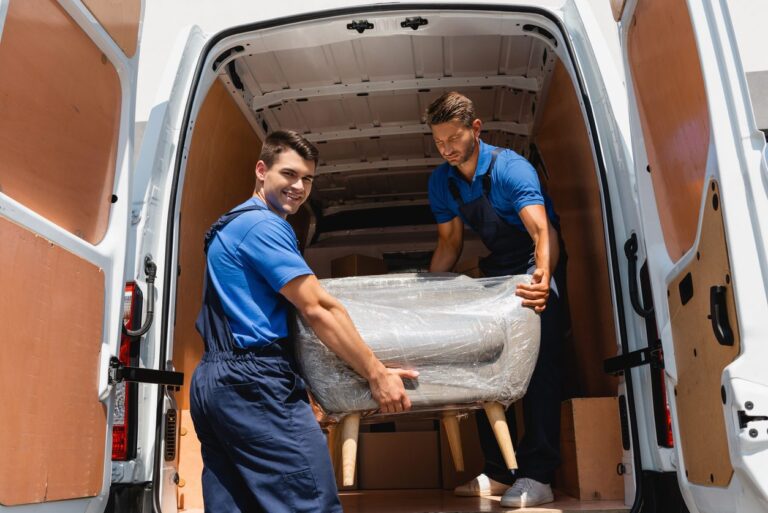
A professional team understands how to load, transport, and unload items safely. You receive support from people who handle large and small items daily and know how to prevent damage. They also plan the move efficiently, which helps you stay organised.
A reliable team reduces stress and makes the moving day feel controlled from start to finish. You receive guidance, careful handling, and a structured process that supports you throughout your home removal.
Ready to plan your home removal?
If you want support from a team that keeps your move organised and stress free, contact MD Movers. You receive clear guidance, careful handling, and a service designed to make your home removal in Bracknell as smooth as possible. Get in touch today to arrange your moving date.